Technical Deep Cleaning of Data Centers
A Data Center as a Critical Environment, should follow some guidelines and very specific Cleaning Procedures known as Technical Cleaning based on minimizing the number of particles in suspension as indicated in the standard ISO 14644-1 and ANSI / ISA 71.04 with respect to corrosion levels. Best practices in the industry in cleaning Data Centers is summarized in the specific Contamination Control Paper in ASHRAE “2011 Gaseous and Particulate Contamination Guidelines for Data Centers” Click here to download
When using the Data Center, environment increases the level of contamination affecting the security and performance of the IT devices. A Technical cleaning consists of a series of actions in order from top to bottom of the room to collect the maximum amount of dust suspended in the atmosphere. A technical cleaning should be performed by qualified personnel used to working in Data Center environments.
Documents:
Key Features
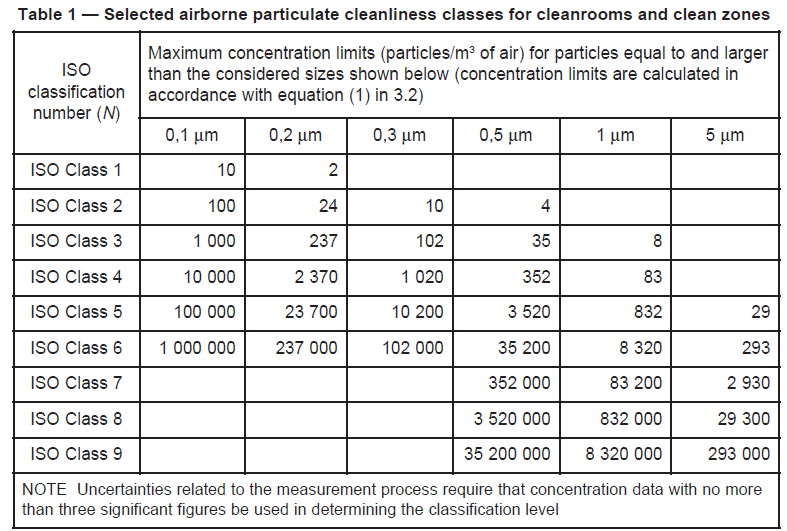
Data Centers should be kept clean according to ISO 14644 Class 8. 80% of the dust in the critical area occurs in the feet (Source: 3M). The remaining openings through cables, poor seals, etc.
Reasons to Make a Technical Cleaning
- Extend the life of the equipment, avoiding contamination thereof.
- Minimize the risk of fire as a result of accumulated dust on the hardware.
- Avoid electro static discharge causing transmission failure between computers.
- Avoid the existence of ferrous material (oxides).
- Minimize the mechanical wear and hardware failures.
- Minimize air pollution and remove alive contaminants
- Avoid cleaning by which no qualified personnel that can cause system crashes
- Keep Data Center environment free of contaminants.
- Extend the life of air conditioning filters.
- Avoid using strong cleaning agents that may attack the hardware and pollute the environment.
A Technical cleaning consists of a series of actions in order from top to bottom of the room in order to collect the maximum amount of dust suspended in the atmosphere. A technical cleaning should be performed by qualified personnel used to working in Data Center environments.
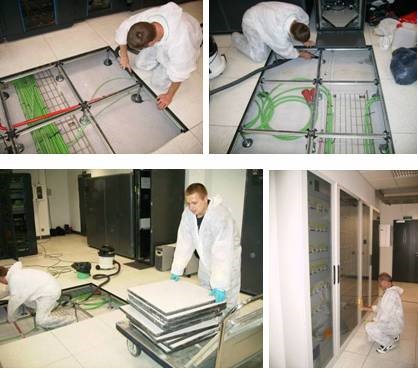
Raised Floor
- Removing large waste
- Vacuum Waste & Vacuum of micro-particles
- Thorough cleaning with special products for data cables, power cables, cable trays, rosettes, raised floor structure
Floor Tiles
- Removal of the tile
- Cleaning the outside of the room with no aggressive products
- Positioning and Leveling with Laser the tiles
- Cleaning the top of the tile.
Data cabling and power
- Aspiration of micro-particles
- Clean the surface of the wires.
Walls and Ceiling
Materials and Tools Used
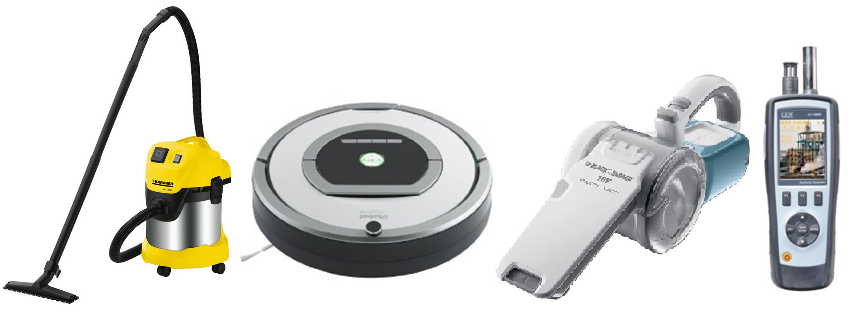
- Vacuum with HEPA filter (filtering particles down to 0.3 microns) and accessories
- Industrial Vacuum Cleaner, Robotic Vacuum Cleaner with HEPA filter
- Special Products (non-corrosive, non-toxic, non-harmful to the environment and Anti-Static)
- Special brushes for any type of surface and corners.
- General cleaning equipment.
- Other accessories development aid cleaning
- Counter / Particle Meter
Monitoring System of Dirt
Depending on the specific standard for Data Centers and Clean Rooms ISO 14644 -1, should be performed at least an annual measure of the level of dirt checking that the maximum threshold of particles in suspension is not exceeded of ISO 8.
It Tiles Tiles
The tack IT TILES tiles located at the entrance to the technical rooms prevent over 99% of dust and dirt from entering the room near ground level.
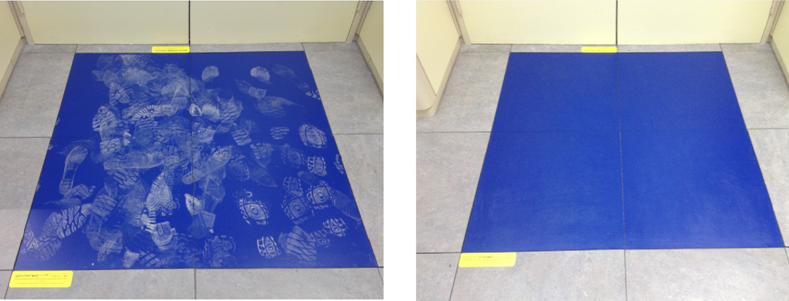
The contamination control tiles provide important benefits:
- Longer equipment life
- Reducing loss of data and read / write errors
- Reduced maintenance cost itself
- Improved reliability of the facilities
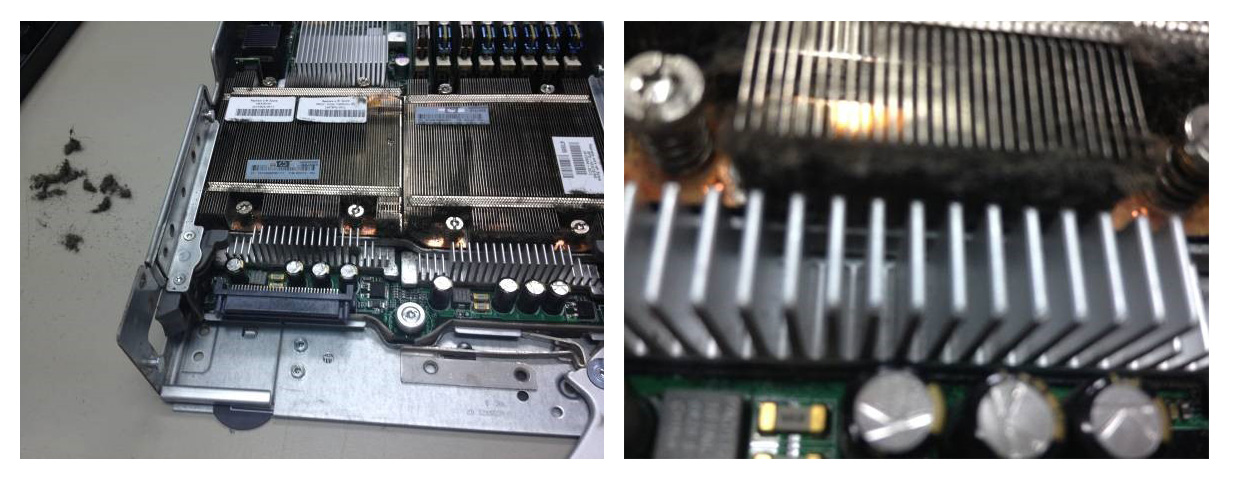
Dust can cause irreversible damage to computer systems to obstruct heat sinks and cooling systems that lead to overheating and cause an increased risk of fire hazard. No protection against dust, there is great risk of data loss and hardware failures in data centers.
Maintenance
The upper material of the tiles requires daily maintenance consists of cleaning with a damp cloth. It is recommended to hire a semiannual maintenance consists of a thorough cleaning with products containing alcohol (between 4-12 months depending on usage).
Technical Data and Colour Range