

Showing all 4 results
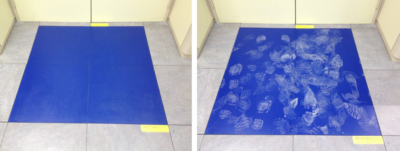
A Data Center is a protected environment and generally hermetic. 80% of the powder and dust in the critical area is introduced through the doors with feet when the technicians go inside the Clean Room. 5% due to cabling sealing deficiency or on piping, and last 15% due to the servers and other devices (Source: 3M).
Contamination Control Mat located at the main entrances, outside of the Clean Rooms, avoid the 99% of the powder and dust going inside the Clean Room at floor level.
Additionally, units incorporate BIOMASTER, silver-based antimicrobial additives to offer effective antimicrobial protection for the effective lifetime of the product, helping to keep surfaces clean and hygienic, reducing the risk of cross-contamination.
As mentioned in the BIOMASTER website: “The benefits of silver as a natural antimicrobial, however, have been known since the time of the Pharaohs. Silver has been used for thousands of years to prevent the growth of bacteria without the high toxicity associated with other metals.”
SANITIZATION SERVICES FOR DATA CENTERS AND CRITICAL ROOMS
Following the UPTIME INSTITUTE COVID-19 Research Report regarding the advise of Deep Cleaning and Sanitization of Critical Rooms because latest Coronavirus Pandemic, we design a New Service of Deep Cleaning + Disinfection for Data Centers
Additional to the benefits described in Technical Cleaning, New Sanitization Service add:
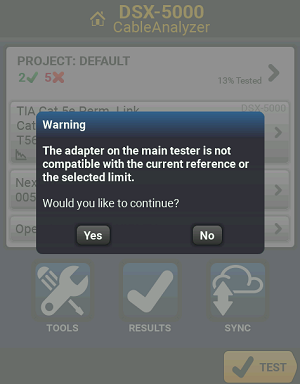
Choosing the right test limit when setting up for a test is arguably the single most important step. While changing the Cable Type tells the tester what type of cable to you are going to test (see this article for more information on the Cable Type setting), changing the test limit tells the tester how you are going to test it. There are several factors to consider when choosing a test limit:
What adapters are being used?
What level of performance are the connectors and cable rated for?
Does your customer have a specific testing requirement? If you have a contract, read it carefully.
Is the purpose of the test to get the warranty from the cable manufacturer? If so, check which test limit the manufacturer requires for the model of cable that you are testing.
The two primary types of adapters used with the DSX CableAnalyzer are Permanent Link adapters and Channel adapters. There are also Patch Cord Adapters and COAX adapters available, as well as a few other specialty adapters, all of which can be found in the “accessories” list on the DSX Product Page.
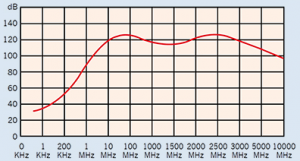
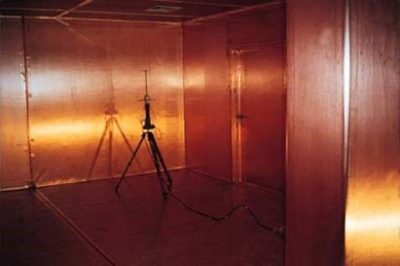
STR Mu-Copper foil has high attenuation properties in the electrical field (up to 120 dB) as well as in the magnetic field (see shielding performance table). It is easy to apply, like wallpaper, thanks to its special adhesive for walls, ceilings and floors. The interior finish can be plaster board, foam tiles or plywood.
The 0.12 mm thick Mu-Copper is used to transform regular rooms into shielded rooms; it has excellent shielding performance even at low frequencies. The system is easy to mount on shielded doors with clamping devices. The standard width of Mu-Copper is 1000 mm and the foil can be delivered on rolls or ready-made sheets.
Shielding performance